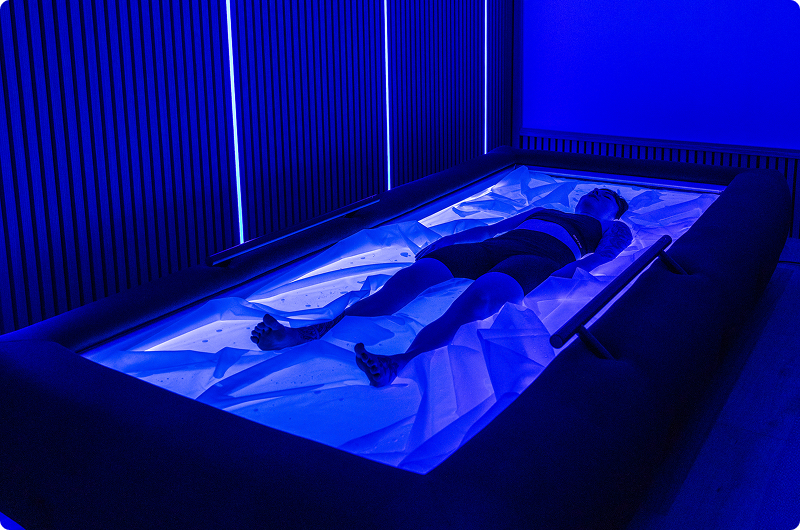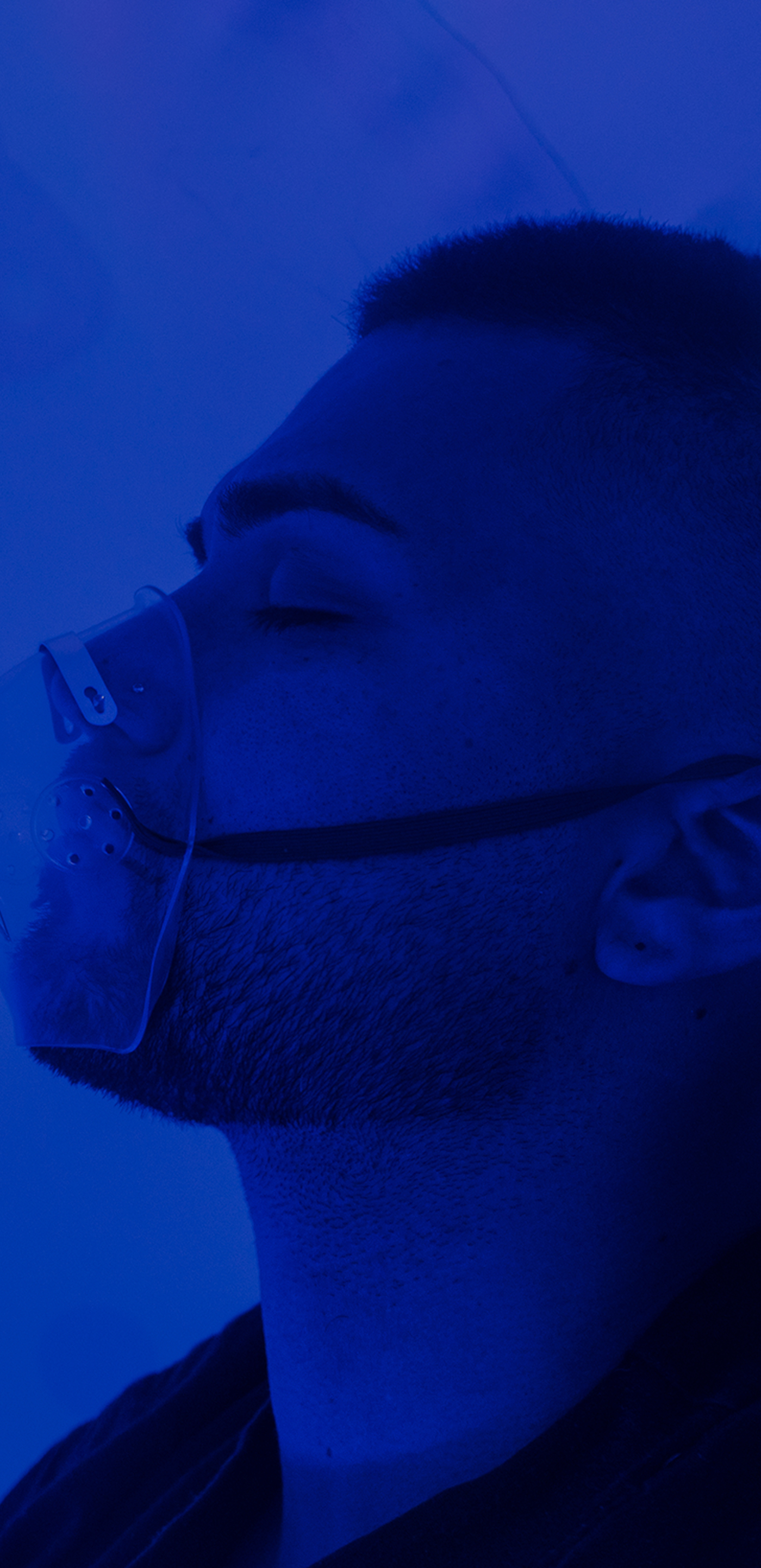
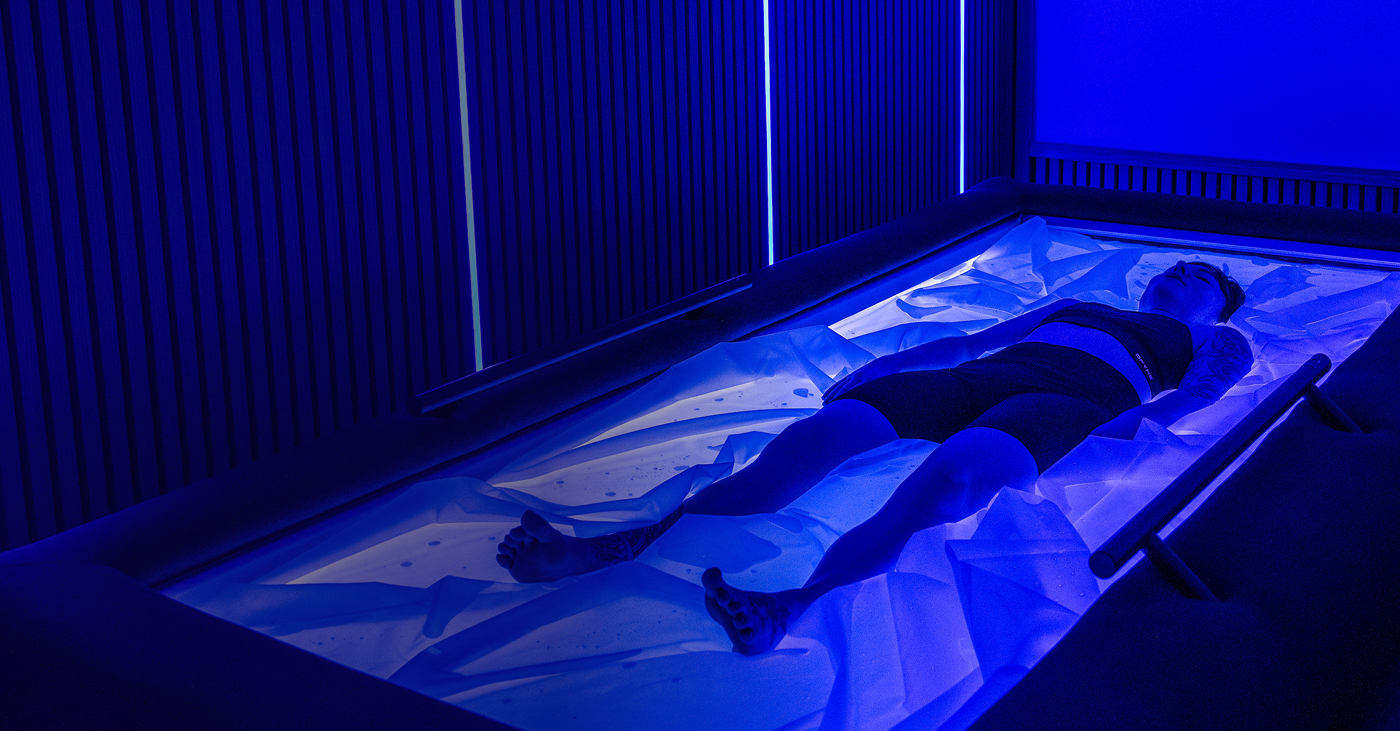
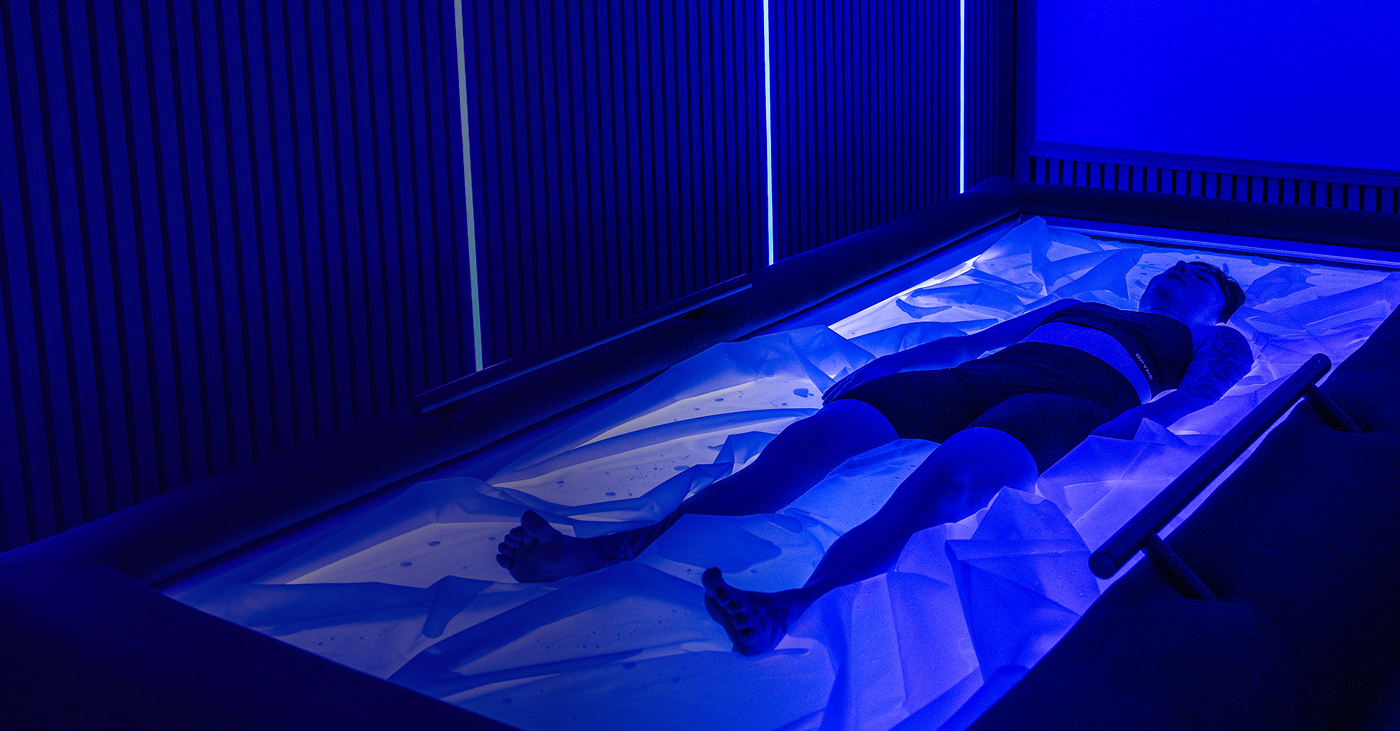

By reducing external stimulation — including sound, light, and physical pressure — floatation allows the nervous system to shift out of a constant “on” state. This may help promote deep relaxation and a noticeable sense of calm.
Switch off stress, deeply
By reducing external stimulation — including sound, light, and physical pressure — floatation allows the nervous system to shift out of a constant “on” state. This may help promote deep relaxation and a noticeable sense of calm.

Find stillness and calm
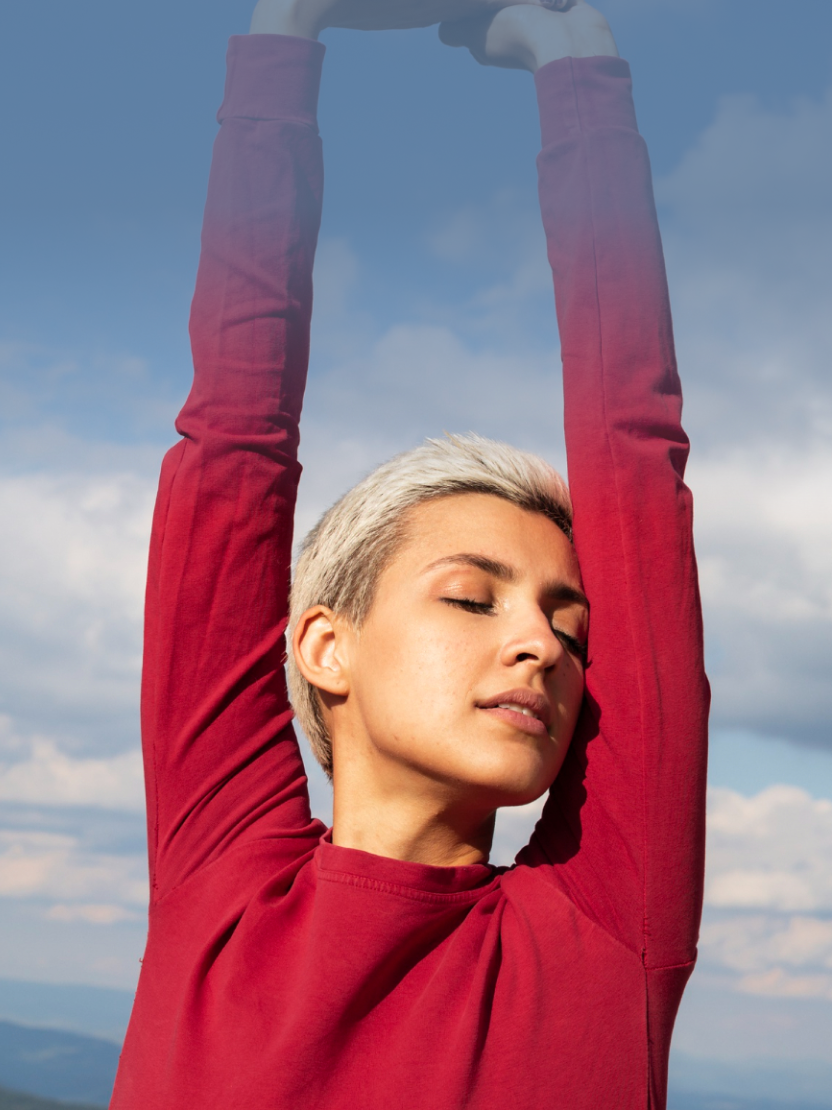
The low-stimulation environment encourages both body and mind to slow down. Many people report a profound sense of stillness, helping them feel more grounded and mentally refreshed after a session.
Release built-up tension
The sensation of weightlessness removes pressure from joints and muscles, allowing the body to fully relax without effort. This may help ease physical tension and promote a lighter, more comfortable feeling.
Support deeper rest
Relaxation and nervous system balance play an important role in sleep quality. Floatation may help support more restful sleep and leave you feeling more restored over time.
Restore a sense of calm
Floatation supports the body’s natural shift into a more restorative state, often associated with slower heart rate, reduced physical tension, and a calmer overall feeling.